




@corasoccer29 story goes beyond the game ⚽️
Read the full article on Cora & her teammates in our linktree!🔗
#rushsoccer #youthsoccer #youthathletes #womenssoccer

Full Zoom call available on Rush Soccer YouTube📺💭
#rushfest #rushsoccer #youthsoccer #travelsoccer #clubsoccer

Excited to announce our partnership renewal with @gocarvana ⚽️🚙
Along with the front jersey sponsorship, we are working in tandem to deliver $200,000 in scholarship funds to expand access in youth soccer across the Rush U.S. network💪💙
#rushsoccer #carvana #partnership #youthsoccer #soccer

AI could never replace Feeling the Rush🔵⚪️⚫️
#FeeltheRush #rushsoccer #aitools #ai #youthsoccer

@hudlsoccer gives Coaches more time on the field✅⚽️
#hudl #rushsoccer #soccerdrills #training #soccerplayer

The @rushsoccerdevelopment Train at Home Program helps players in all aspects of the game!
Check out the monthly challenges & climb the leaderboard!⚽️💙
#rushsoccer #soccer #youthsoccer #trainathome #soccerskills

We Good on this side 🔵⚪️⚫️
#rushsoccer
#feeltherush #youthsoccer #gametime #soccerplayer

Happy National Coaches Day! 🙌
To every coach who shows up early, stays late, and believes in us before we believe in ourselves: thank you. You teach more than the game. You teach grit, teamwork, and how to get back up. The wins fade, but what you give us lasts.
Tag a coach who made a difference. 👇
#NationalCoachesDay #ThankACoach #CoachesMatter

FOR THE LOVE OF THE GAME⚽️
#FeelTheRush
#rushsoccer #youthsoccer #teamwork #rushnation

Accountability is #RushCoreValue of the Month driven by @gocarvana ⚽️🚙
#rushsoccer #corevalue #carvana #accountability

@akmark_stacy4 from @alaskarush making it look easy😤😳⚽️
#rushsoccer #golazo #youthsoccer #surfcup #soccergoal

The @rushsoccerdevelopment Train at Home September Leaderboard!⚽️
Shout out to our top 5️⃣
#trainathome #rushsoccer #rushsoccerdevelopment #youthsoccer #soccerskills

We are back with another HAWAII giveaway!
This year we are handing out a free individual player registration + 4 free Hotel nights!🌺⚽️
RULES:
1. Must be following @rushsoccer
2. Like this post
3. DM to a friend or Share on your story
4. Comment on this post
One random comment will take home the grand prize to HAWAII🌊
🚨DEADLINE: Friday, 10/9/26💙
#honolulu #thanksgiving #soccertournament #rushsoccer #giveaway

Recovery is part of the game.
Sleep well, play hard. 😴⚽
#rushsoccer #youthsoccer #soccerplayer #recovery #weekendwarriors

Then & Now: The Pathways we help create💙
#rusheoccer #playerpathway #soccer #futbol #youthsoccer

The highlight reels speak • and so does the data from @hudl ✅⚽️
#hudl #rushsoccer #socceranalysis #highlightreel #youthsoccer

FEEL the RUSH🟦⬜️⬛️⚽️
#rushsoccer #soccer #youthsoccer #clubsoccer #feeltherush

#RushRapidFire driven by @gocarvana ⚽️🚙
This month we are featuring @suisun_city_rush 🥳
#rushsoccer #youthsoccer #carvana #soccerclub

Congrats to @king.miah10 🇵🇭• @lilyjsoccer 🇺🇸& @nikobrodar_futbol 🇨🇦 on their recent accomplishments👏
Rush is proud to honor these players and been a part of their journey⚽️
#calledup #playerpathway #rushsoccer #youthsoccer #playerdevelopment

The pass into space > the nutmeg > the finish✅⚽️

The @rushsoccerdevelopment Train at Home program provides a new set of monthly challenges each month⚽️
Are you up to the challenge?
#rushsoccer #youthsoccer #trainathome #soccerplayer #soccerlife

The Parent Perspective of #RUSHFEST 🎉⚽️
#rushsoccer #youthsoccer #soccer #travelsoccer

Rush Soccer in the 80’s
#80strend #1980s #1980sfashion #rushsoccer

The Rush Core Value of the Month driven by @gocarvana ⚽️🚙
This month, we lock in on the values of #RESPECT
#youthsoccer #rushsoccer #soccer #clubsoccer

The Rush Open Spain🇪🇸2027
🗓️April 30 - May 2nd, 2027
📍Salou, Spain at the @mediterraneansportshub
⚽️Boys & Girls • U12 | U14 | U16 brackets
#rushsoccer #youthsoccer #travelsoccer #clubsoccer #soccer

When Coaches are recruiting, the more information you can provide to them, the better.
Players utilize @hudl to give more insight inside the recruiting process✅
#rushsoccer #hudl #videoanalytics #recruitme #ecnl

Experience the 2027 Women’s World Cup in Brazil🇧🇷
This exclusive @globalsportsexperiences fan travel program puts you at the heart of the action with premium match access, curated travel experiences, and unforgettable moments in one of football’s most passionate countries.⚽️✈️
#rushsoccer #teambonding #wwc #soccer #youthsoccer

a New Partnership🤝 a New Way to Travel✈️
We are excited to announce that we are elevating our travel with @globalsportsexperiences ⚽️
Tournaments and Team Experiences are just a few clicks away to countries all over the world! 🌍🇪🇸🇮🇹🏴🇵🇹🇧🇷🇩🇪🇳🇱🏴🇫🇷🇮🇪🇩🇴
#rushsoccer #youthsoccer #travelsoccer #sportstours #teambonding

The adventure to #RUSHFEST 2027 starts now.
Informational ZOOM calls this week • click the link in our bio to register! ✅⚽️

THE RUSH OPEN SPAIN🇪🇸2027
Registration open now • play at the beautiful @mediterraneansportshub in Salou, Spain ⚽️
📆April 30 - May 2, 2027
✈️Cultural Tour before event available
🧑🧒🧒Boys & Girls • U12, U14, & U16 age group brackets
LINKTREE IN BIO✅
#rushsoccer #clubsoccer #futbol #travelsoccer #youthsoccer

Congratulations to the TOP 5️⃣ players who conquered the Rush Train at Home Leaderboard in the month of August!⚽
Think you have what it takes to take on the Leaderboard in September?
New monthly challenges are up now👇
🔗🌴LINKTREE IN BIO for SEPTEMBER challenges!
#rushsoccer #trainathome #youthsoccer #practice #training

#RushRapdFire driven by @gocarvana ⚽️🚙
We asked players at @hillsbororush questions about playing with the Rush💙
#rushsoccer #youthsoccer #soccer #mlsnext

RUSH FEST 2027🎉⚽
📍Denver, Colorado
🗓 July 22nd -25th, 2027
-
Zoom Informational Calls available
🗓 Sep 9, 2026 07:00 PM EST
&
🗓 Sep 10, 2026 01:00 PM EST
#rushsoccer #rushfest #youthsoccer #soccer #clubsoccer

put in the work when nobody is watching ⚽️🍿

Automatic Mondays: recap your weekend matches with @hudl 🎥⚽️
Adjustments made easy🤝with @hudlsoccer
Analyze✅Process✅Utilize✅
#rushsoccer #hudlup #hudl #playerdata #playeranalysis

Rush Core Value of the month driven by @gocarvana ⚽️🚙
In August we focus on Safety✅
#rushsoccer #carvana #youthsoccer #soccer #safety

3️⃣ decades incoming

During the 2026 Rush Summit at @nike we sat down with @theecnl President Christian Lavers and asked how the ECNL strategizes in decision making 👏⚽️
#rushsoccer #theecnl #ecnl #youthsoccer #ussoccer

kinda chic to play soccer with Rush ⚽️💙
#rushsoccer #youthsoccer #kindachic #soccer

Don’t worry RushFam🤣, school just means back to club soccer
#wearetherush
#rushsoccer #clubsoccer #backtoschool #youthsoccer

🙈🙉🙊

During the 2026 Rush Summit at @nike HQ, we sat down with @theecnl President Christian Lavers & asked him how the ECNL manages quality while continuing to expand the brand👏
#rushsoccer #ecnl #youthsoccer #nikehq #ussoccer

Just Do It.
#rushsoccer #justdoit #soccergoals #youthsoccer #soccer

Congratulations to all 567 players in the Fall 2026 commitment class. 💙🎓
Rush Soccer also thanks the parents, coaches, CAP directors, teachers, teammates, and club leaders who helped make these opportunities possible.
We are proud of what these players have accomplished and look forward to following their next chapter!📖
Check out the full article in our Linktree🔗🌴
#rushsoccer #youthsoccer #collegeathletics #collegesoccer #college

every season has its own adventures. Cherish each moment 🕸️💙⚽️

2026 FALL SZN LOADING…⚽️🔥

Congratulations to our Rush clubs who were crowned National Champions 👑 across the leagues in 2026!
Colorado Rush - U17 Girls NPL
Hawaii Rush Soccer - 13U Boys US Club
Louisiana Krewe Rush - 15U Boys USYS
Chicago Rush - 14U Girls DPL
Amarillo Rush - 19U Girls US Club
VSA Rush - 16U Boys US Club
Read the full article on the teams accomplishments below!👇
https://www.rushsoccer.com/rush-nation-raises-the-standard-in-the-2026-postseason
#rushsoccer #youthsoccer #oneclub #rushnation #soccerfamily

Colorado Rush East Cup 🗻
🗓 November 6-8, 2026
⚽️ Boys & Girls U11 - U15
📍 Aurora Sports Park
Play against teams competing in the ECNL, ECNL-RL, EA League, DPL, and more!
Register today👇
https://soccer.sincsports.com/ttcontent.aspx?tid=BELITECUP

The Hawaii Thanksgiving Invitational🌺🏆 is a growing event where teams & families can enjoy a top notch Soccer Tournament + an epic vacation this November!
Registration is open✅
Special hotel rates are available🏨
Get your team signed up & book your flights today!✈️
#hawaii #honolulu #thanksgiving #youthsoccer #rushsoccer

Rush Nation!! You could Glow For Glory at the 2026 NWSL Championship!!
@elfcosmetics @nwsl and @soccergirl are giving you the chance to be one of five finalists flown to the 2026 NWSL Championship! ⚽✨
Five selected players and their guardian will receive an all-expenses-paid trip to the Championship, where the players will step onto the field and compete for the opportunity to experience life as an NWSL pro for a day, including attending practice and training with the pros.
Apply through the link below by August 16, and be sure to select Rush Soccer from the organization dropdown.
Click the linktree in our bio to register TODAY!💙
#rushsoccer #youthsoccer #nwsl #elfcosmetics #soccergirl

Congratulations to our 5️⃣ Rush players who have been honored with the @gatorade Player of the Year in their respective states ⚡️🤝⚽️
• Jared Mateaki @alaskarush
• Ellison Haynes @krewerush
• Tate Diaz @vsa_rush
• Devin Lee @hawaii_rush
• Tanner Nichols @mississippi_rush
We are proud to be a part of your journey 💙
#rushsoccer #soccer #gatoradeplayeroftheyear #youthsoccer #rushplayerpathway

The last 2️⃣ weekends were filled with fun⚽️
• South Rush Cup (& South Regional Center🟠) in Pensacola, Florida🌴☀️
• Denver International Cup in Colorado🏔️
• Midwest Regional ID Camp & Center in Blaine, Minnesota🟢🔎
Thank you to all of the teams who participated in these tournaments🏆 & a special shout out to the Rush clubs who helped put these events on
@coastalrushsoccer
@corushsoccer
@minnesotarush
&
The Rush College Advisory Program🎓
@rush_cap
#rushsoccer #rushselect #youthsoccer #idcamps

Welcoming Mississippi Rush Oxford FC @msrushoxford to the Rush Family💙
#evolvingtogether #rushsoccer #mississippi #oxford #youthsoccer

The 2026 Rush Summit at the @nike HQ in Oregon had an electric atmosphere filled with excitement.
Over 200 leaders from around #RushNation made the trip to reflect on the past and prepare for the future. A new era in Rush Soccer is on its way as we reunite wirh @nikefootball entering our 3️⃣0️⃣th year in 2027.
Cheers to the future. #EvolvingForwardTogether
🧬💙⚽️

The @coachesvoice Leaders in Learning around #RushNation⚽️🌏
Check out the leaderboard of the top 5 Clubs!
1. @coastalrushsoccer
2. @alabama_rush_soccer
3. @chicagorushsoccer
4. @rushwiwest
5. @natomas_rush
& shout out to the Top 5 Coaches!
Mary Pipenhagen - @minnesotarush
Dalton Healy - @coastalrushsoccer
Gabriel Amorim - @coastalrushsoccer
Jack Maher - @rushunion
Tim Dean - @chicagorushsoccer
Learn more about Coaches’ Voice x Rush Soccer 👇
https://www.rushsoccer.com/rush-way-of-coaching
Follow @rushsoccerdevelopment

Thank you to our presenters at the 2026 #RushSummit at @nike HQ⚽️💙
2027
@rushsoccer x @nikefootball 🧬

The game brought us together. The mission keeps us together. Celebrating National Soccer Day as our leaders unite at the Rush Summit at Nike World Headquarters — one vision, one family, one Rush. ⚽ #NationalSoccerDay #RushSummit #RushSoccer

Greatness always finds its way home.
Rush x Nike. 2027.
We’re proud to announce that Rush Soccer is reuniting with Nike as our global apparel partner beginning in 2027.
Nike was Rush’s very first apparel partner back in 1997 - and now, 30 years later, we’re coming back to where it all began. Two of the world’s biggest brands in the game, together again.
The best is yet to come. ⚽
@nikefootball @soccerpost
#rushsoccer #nike #youthsoccer #nikefootball #soccer

#RushSummit is underway in Oregon🏔️⚽️💙
We are excited to host over 250 leaders around #RushNation for our annual Rush Summit event 🌍
#rushsoccer #youthsoccer #soccer

#RushRapidFire driven by @gocarvana ⚽️🚙
We asked players at #RushFest if they could recognize flags from around the world!🌍
#youthsoccer #rushsoccer #soccer

Thanks to our partner @gocarvana Sofia Sebastian from @amarillorush and her family are headed to Charlotte, NC for the All-Star game⚽️💙
Thank you Carvana!💙
#rushsoccer #youthsoccer #allstargame #soccer

Rush Core Values driven by @gocarvana ⚽️🚙
July is a reminder of ALL of the #RushCoreValues 🤝💙
#rushsoccer #soccer #youthsoccer #carvana

Rush Nation, the future of the game is brighter when more girls stay in it. ⚽✨ That’s why @elfcosmetics @soccergirl and @nwsl are giving girls and gender-expansive youth ages 13–18 the chance to experience life as an NWSL pro for a day.
Ready to step into the world of the pros? Tell us what this opportunity would mean to you and apply via the link in our bio by August 16.
When you apply, don’t forget to select Rush Soccer from the organization dropdown. #GlowForGlory #rushsoccer

Thank you for everyone who participated in our #WorldCup Prediction Game!⚽️ 🔮
After seeing into the future - our Winner is DRIFT9 out of @amarillorush 🎉
Congrats to our top 5️⃣ out of the following Rush Clubs;
@amarillorush
@iowarushsoccerclub
@kcmorush
@plantationfcrush
Now it’s time to Get geared up for the Women’s World Cup in 2027🇧🇷
#rushsoccer #youthsoccer #soccer #worldcup2026

Thank you @vitacoco for sponsoring and activating at #RUSHFEST & running the USMNT🇺🇸 kit giveaway from @west.mckennie 🤝⚽️
Congrats to Bennett from @virginiarushsoccer for winning the kit by showing the most Spirit 🧬 at RUSH FEST!!
#rushsoccer #youthsoccer #usmnt #worldcup

That’s a wrap for #RUSHFEST 2026🎉⚽️💙
Thank you to all of our players, families, and Rush Staff members from all of our clubs who participated in this years Rush Fest✅
A special shoutout to our hydration partners who powered #Rushfest in @vitacoco 🥥🫶 and also gave away a Weston McKinnie signed USMNT kit🇺🇸
Also, our sponsors in @gocarvana got it on the fun as the winner of the All-Star event in Charlotte later this month was won by one of our very own players from @amarillorush ⚽️🚙
Thank you once again and we hope to see YOU👉in 2027!
#rushsoccer #youthsoccer #soccer

The many faces of #RUSHFEST 🫶🧬💙
#rushsoccer #youthsoccer #soccer #worldcup

Fun, Focus, and Smiles at #RUSHFEST 🎉⚽️💙
#rushsoccer #youthsoccer #wearetherush #feeltherush

C U L T U R E 🧬⚽️
#rushfest #rushsoccer #youthsoccer #soccer #wearetherush

#RUSHFEST • The most exciting week in youth soccer🧬⚽️
#rushsoccer #youthsoccer #soccer #wearetherush

The vibes continue at #RUSHFEST 🎉🧬⚽️
#rushsoccer #youthsoccer #rushsoccer #soccer

RushFest Culture🧬🎉⚽️
#rushsoccer #youthsoccer #rushfest #wearetherush #soccer

What’s #RushFest been like for you?⚽️🎉
#rushsoccer #youthsoccer #soccer #wearetherush

#RUSHFEST is taking over in Colorado🏔️🎉⚽️
From Coast to Coast players around #RushNation are experiencing what Rush Culture is all about at RushFest 2026🧬
#rushsoccer #youthsoccer #soccer

#RUSHFEST 🎉2026 powered by @vitacoco 🥥
The block party, opening ceremonies, and watch party set the players up for an awesome week of soccer!⚽️
#rushsoccer #youthsoccer #soccer

Its a @vitacoco type of Summer⚽️🥥💙💚
#summer #vitacoco #rushsoccer #worldcup #hydration

USA🇺🇸 v BELGIUM🇧🇪
#RushFest Watch Party • Big Screen • right after Opening Ceremonies🎉
THE COUNTDOWN TO RUSHFEST BEGINS….🕚🥳
#worldcup #usa #usmnt #rushsoccer

FREEEEEDOM!🇺🇸🗽
Have a very safe & Happy July 4th Weekend! #independenceday 🌟🔴⚪️🔵
#july4 #july4th #braveheart #rushsoccer

For the love of the game 💙⚽️ #bleedblue
#wearetherush #rushsoccer
#rooftopper #nyc

Obviously what Mauricio Pochettino was showing the @usmnt ⚽️🇺🇸😂
#usmnt #worldcup #rushsoccer #rushfest #youthsoccer

The lore continues to grow…🌱
@alaskarush Alumni @obed.vargas has appeared in all 4 of Mexicos🇲🇽 World Cup matches so far - and he’s only 20 years old👀
Obed is the FIRST and ONLY player from Alaska to be rostered and appear in the @fifaworldcup 🏆
Obed started his pro career with the @soundersfc and recently signed to @atleticodemadrid in Spain🇪🇸
Legendary💙⚽️
#worldcup #rushsoccer #mexico #obedvargas #alaska

You’re not that guy, pal 👉
😂
#rushsoccer #sophiecunningham #soccermeme #youthsoccer #trendingmemes

Rush Soccer has officially entered the @guinnessworldrecords ✅
Last month at @therushopen San Diego - players at the event (from any club) had the opportunity to take part of the Where Football Lives @_footballworldrecord World Record Attempt!
We did it!
#RushSoccer does it like no other club⚽️
Thanks to our players who participated to make history!!
#wearetherush #youthsoccer #recordbooks

Your family’s All-Star moment starts here ⚽⭐ @gocarvana and Rush Soccer are giving one lucky family the ultimate VIP soccer experience in Charlotte!
Visit RushSoccer.com for your chance at winning this incredible experience.

TOMA NYC 🗽⚽️
Shout out @nikefootball @nikenyc & @_ronaldinho49

@westlakerush Welcome to the #RushFamily 💙
Hear from Executive Director Victor DeOliveria & why Westlake decided to choose @rushsoccer ⚽️💙🙏 #wearetherush
#rushsoccer #youthsoccer #soccer

Congratulations to the Rush Boys Teams who helped qualify their Rush club into the postseason in their respective leagues!⚽️🏆
33 teams are playoff bound in their respective leagues:
@mlsnext Homegrown & Academy Leagues
@ecnlboys & @theecnl RL
@nationalpremierleagues - soon to be the @national1league
& the @eliteacademyleague 🙏
Way to go boys, bring it home!🏆💙
#RUID #rushsoccer #wearetherush #playoffs #youthsoccer

Congratulations to the Rush Girls Teams who helped qualify their Rush club into the postseason in their respective leagues!
With 40 teams headed to the playoffs in either @theecnl RL , the @girlsacademyleague , the @dp_league and @nationalpremierleagues (soon to be National 1 League), the Rush Girls are representing #RushNation all across the country!🇺🇸
Go Get It!
#wearetherush #rushsoccer
@rushunion

Rush Nation continues to grow. Our newest club is here.
Welcome @westlakerush to the Rush Family💙⚽️
#wearetherush #rushsoccer #youthsoccer #palmbeach #floridasoccer

Happy Fathers Day to all & especially all our Soccer Dads⚽️
#fathersday #happyfathersday #youthsoccer #soccer

The #RushSelect Pathway explained💭
We are giving players in #RushNation more chances than ever to be scouted⚽️
#wearetherush #rushsoccer
#youthsoccer

#RushRapidFire driven by @gocarvana ⚽️🚙
We asked players at @therushopen who they thought would win the 2026 FIFA #WorldCup 🌏🏆
Comment who YOU think will win!!
#rushsoccer #youthsoccer #ᴡᴏʀʟᴅᴄᴜᴘ2026

#RushSelect is an elite player pathway and this year we are giving players more chances than ever to be scouted🔍⚽️ Earn your Stripes & Rep your Region🙌
In 2027, we are sending our top U15 teams to @therushopenspain 🇪🇸
Check the linktree in our bio to learn more about Rush Select.
#wearetherush #pathtovictory #youthsoccer #playerpathway

A second Rush Select Midwest Regional Center & College ID Camp is taking place in Blaine, Minnesota in August! ⚽️
#wearetherush #rushsoccer #youthsoccer #rushselect #playerpathway @centrallakesrush @rocksoccerclub @iowarush_central

The Rush Select South Center will be live in Pensacola, Florida during the South Rush Cup the last weekend of July! ⚽️
#rushselect #rushsoccer #youthsoccer #playerpathway @rushsoccertournaments #soccer @plantationfcrush @fortlauderdalerushsoccer

The West Rush Select Regional Center & College ID Camp is coming up in Boise, Idaho⚽️
Learn more about #RushSelect in our linktree bio🔗
#wearetherush #rushsoccer #youthsoccer #idcamp
@natomas_rush @santaclararush @fremontrush

Next week we are hosting a Rush Select Regional Center & College ID Camp in Springfield, Missouri⚽️
Rush Soccer gets players more chances to be seen.
#wearetherush #rushsoccer #rushselect #idcamp #collegeidcamp

The Northeast Rush Select Regional Center & College ID Camp is this weekend in Virginia Beach⚽️
Learn more about #RushSelect using the linktree in our bio🔗
#wearetherush #rushsoccer #youthsoccer #idcamp

No Team? No Problem✅
Rush Fest is taking registration for individual players if your team is not able to make it!
Rush Fest is not only a giant fun coming of age party - but a cultural and soccer experience for players to gain new friends, create new moments - and enjoy #TheRush ⚽️
#rushfest

Rush Soccer Family Ties 🧬 #WorldCup edition 🏆
We have more ties than tags allow.
Shout out to:
@kickstartrush
@dbsinternationalacademy
@trinadavis_
@corushsoccer
@kharltonbelmar
@indiarushsc
@tfa_dubai
@dimasescazucr
@clint_dempsey
@oguchionyewu5
@charliedavies09
@bradfriedel
@interstars_rush
@jordangeli
#wearetherush #rushsoccer #soccer #youthsoccer
View more

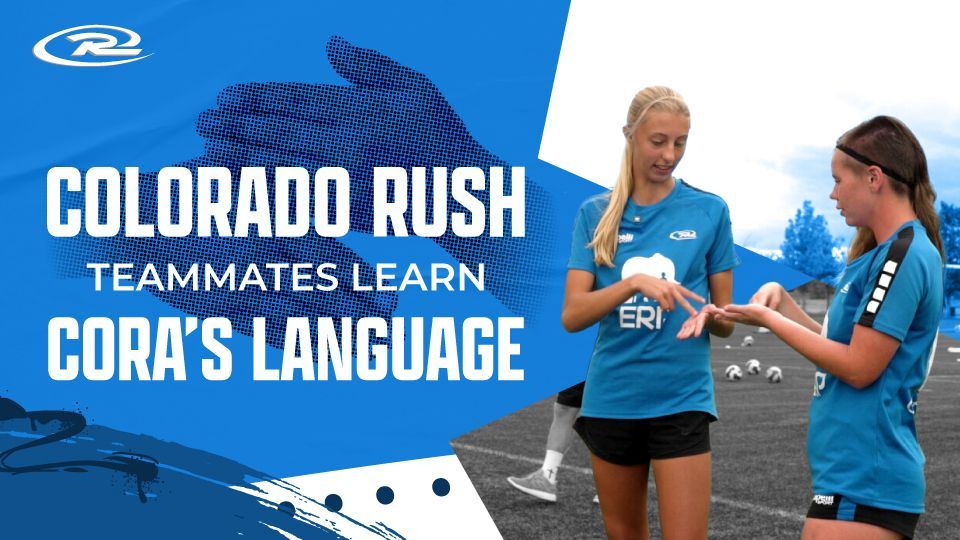
Colorado Rush players are learning sign language with teammate Cora Roberts, strengthening friendships and communication as she pursues her soccer ambitions.
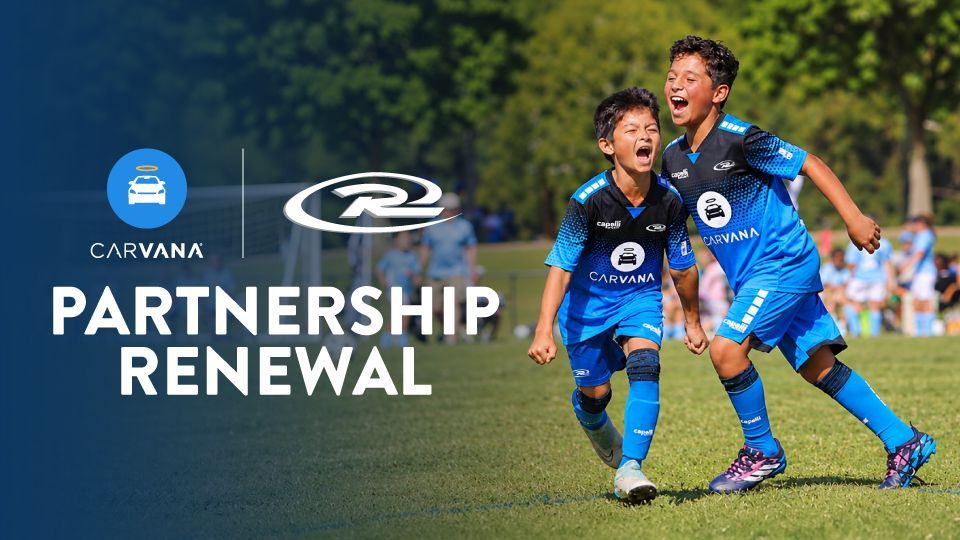
Carvana and Rush Soccer announced a multi-year extension of their partnership. A new $200,000 Scholarship Fund will also be created to help provide access to youth soccer across the Rush Soccer network.
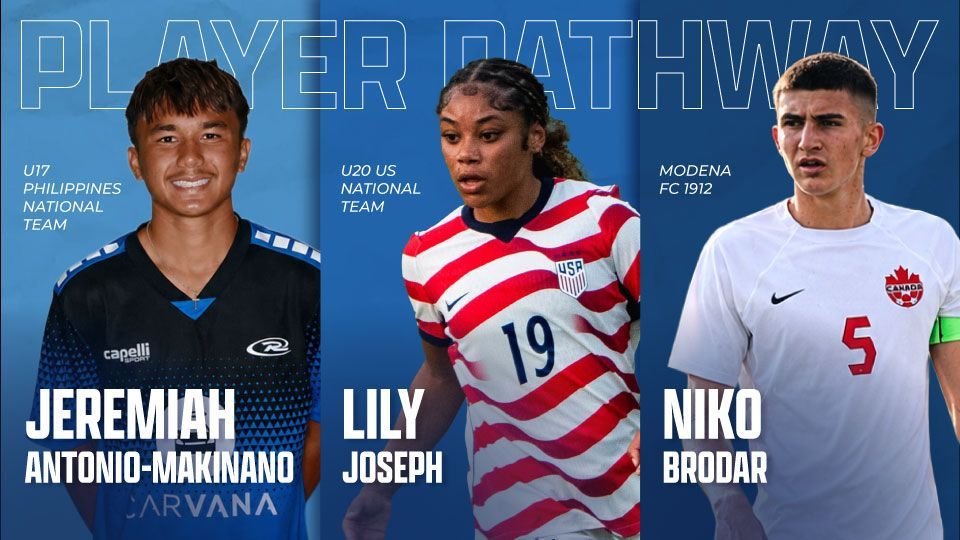
Three Rush-connected players take major career steps, earning U.S. and Philippines national team call-ups and a professional contract with Modena FC 1912.